
Earth/Space Science in the Fall semester, with MR. CLARK
email: bclark@petk12.org
Click here to jump to current week
Week of August 11 (first week of school!)
- Learning to take notes from lecture is a skill to develop. Mr Clark discussed the strategy of ‘catching what you can’ and then annotating your own notes.
- Students did their best to trying taking notes from Clark’s discussion of his classroom snake (as sample topic) and of the demonstration he performed involving HCl and Copper Sulfate. Students then handed these notes in as their first ‘grade book’ entry.
The First days of the semester simply introduced Mr. Clark to the students. Mr. Clark described his own journey through school including being a ‘back of the class, C-student” to a ‘front of the class, A-student at UC Berkeley. On the second day (the first full day) Mr. Clark did a demonstration showing how Aluminum Foil reacts with a solution of HCl and Copper Sulfate.. (it produces Hydrogen gas which, when ignited, ‘pops’ and gives off a bright blue flame. Learning how to take notes was a central discussion point (something which we will discuss throughout the school year).
Week of August 18
Learning Objectives for the week
- What is energy? What is Work?
- What are the metric units of measurement?
New Assignments this week.
- What is Space? Students took notes on the first 30 minutes of the documentary, Fabric of the Cosmos
- Measurement Lab sequence: How to measure temperature, how to use Triple beam balances, rulers and Graduated Cylinders!
(note to Clark, create a lab handout guiding students through the measurements)
This week began with a documentary called What is Space (from the series, Fabric of the Cosmos). Clark emphasized that empty space is not nothing, but in fact is something with properties.
Next we used Mr. Clark’s patented Thermal Energy Containment Systems to burn Doritos and observe the heating of a beaker of water. Students used Graduated Cylinders to measure out 100 mL of water and thermometers which read in degrees Celsius. The follow up discussion was centered on how the concept of Temperature differs from the concept of Heat.. The history of the Fahrenheit scale was compared to the rational for the Celsius scale.
Next we considered units of measurement and how to use the Triple Beam Balances.. Students were introduced to Grams, Kilograms and the concepts of Mass vs Weight. Newtons law of Gravity was introduced as well as the idea that your weight can change depending on where you are sitting, but your mass cannot. In addition, we determined the Density of materials including a block of wood (first measuring the length, width and height to determine the volume) and then measuring the mass to determine the density.
Week of August 25
Learning Objectives for the week
- How to determine volume by displacing water in a graduated cylinder (in order to determine density of irregular objects)
The end of the week introduced our Solar System, how it formed and what the major components are. (see the video: How our Solar System Formed).

Archery is based on conservation of energy, work done to pull the bow becomes energy stored by the bow which becomes kinetic energy of the arrow as it flies.
Week of Sept 01
Learning Objectives for the week
- How far along is our current Space Program, and have we sent any people to Mars yet?
- Measurement focusing on volume and density determinations.
New Assignments this week.
- Measurement lab 1 (note: this was a redo, of sorts, of a lab we did two weeks ago, but this time the sequence was much better organized).
Monday was a holiday! (Labor Day).
This week began with an overview of our current Space program, focusing on how much of current Space technology (rockets) is now being developed by private companies like SpaceX, Blue Origins and Virgin Galactic. We discussed the Virgin Galactic Space plane (pictured at right), how it works and how it is launched and then safely lands back on the surface.
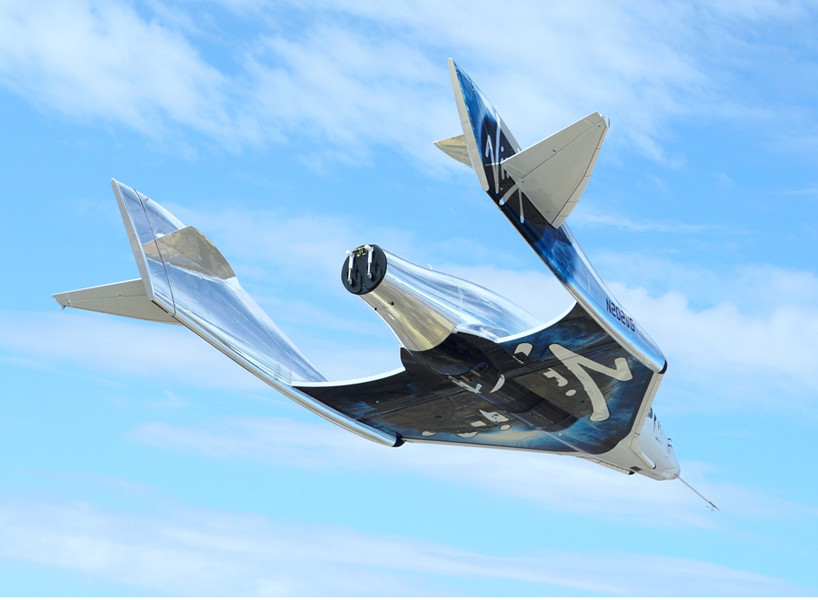
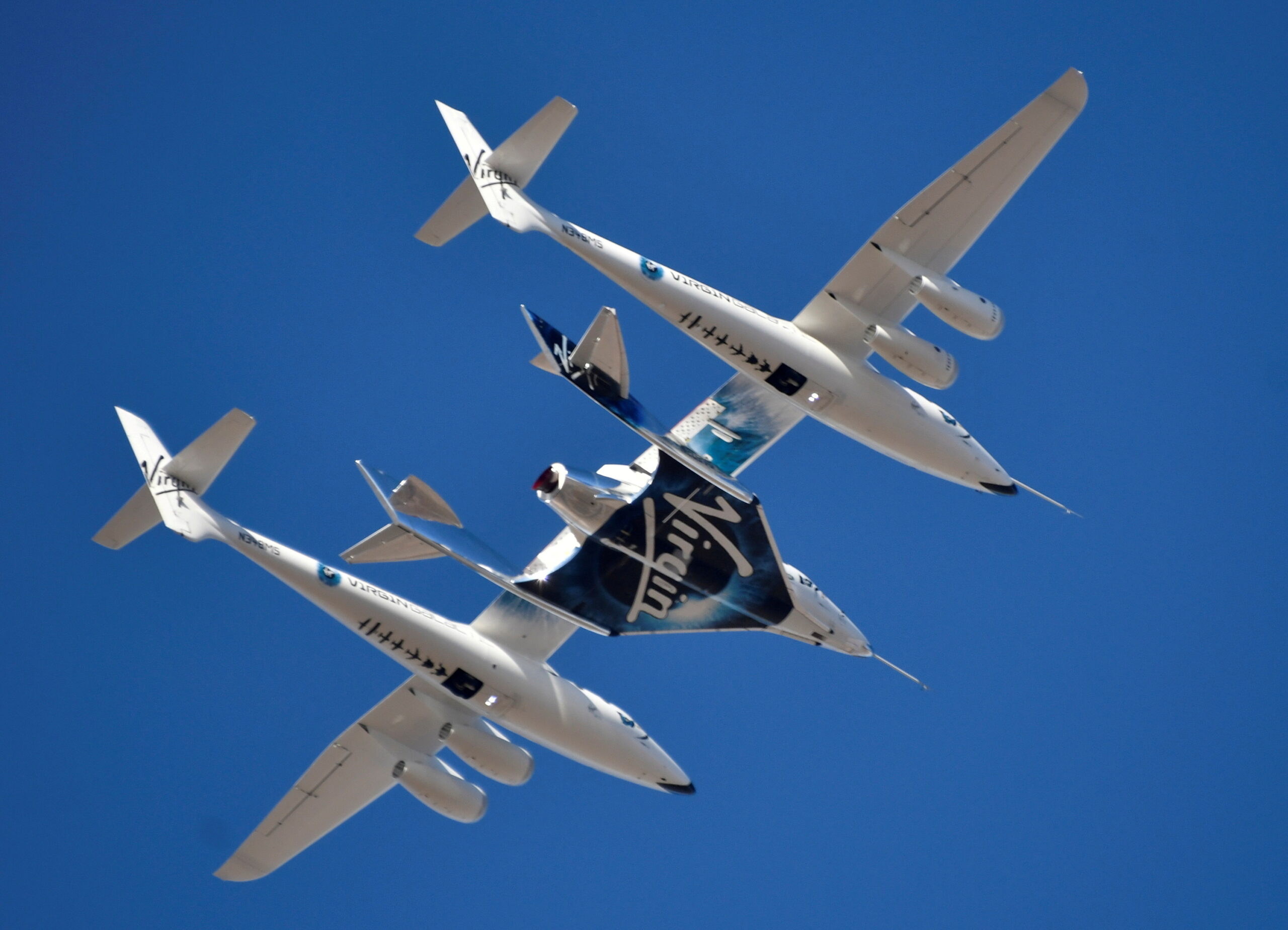
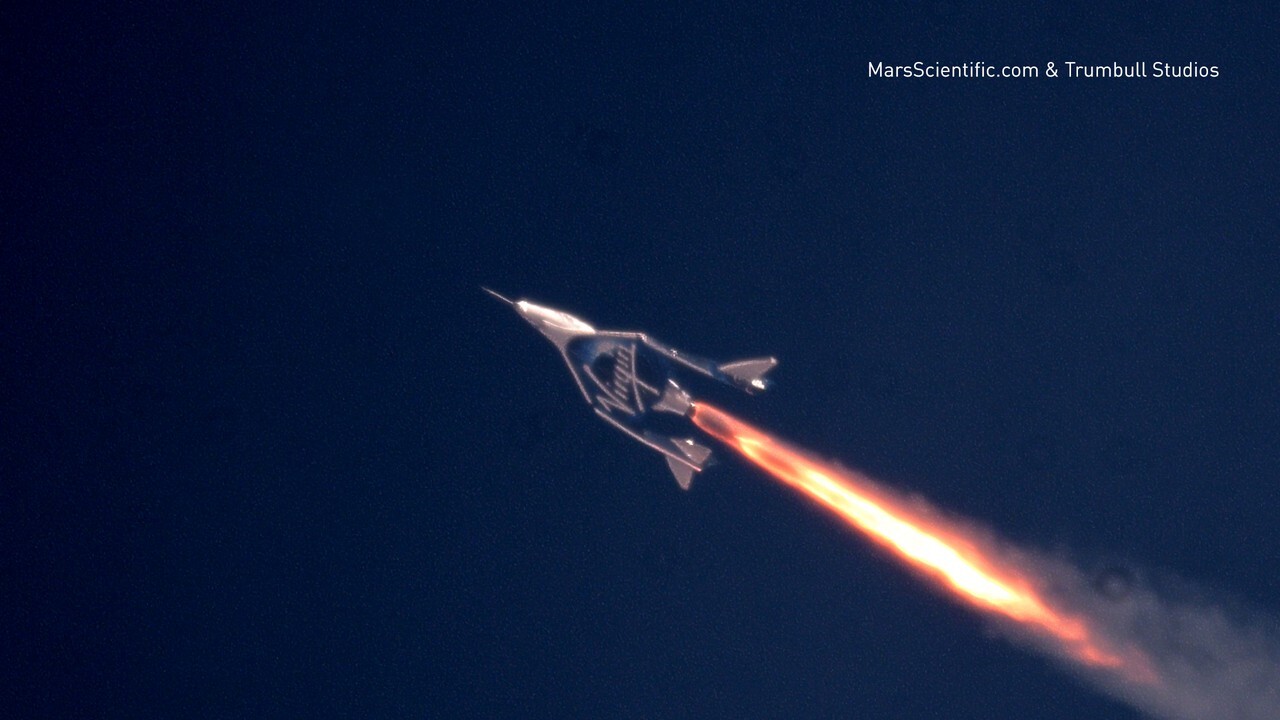
Virgin Galactic Rocket Plane brings tourists up to the edge of Space!
20 minutes = $1,000,000 per ride!
Week of Sept 08
Learning Objectives for the week
- Continuing to consider density and strategies for determining it.
- Temperature and how the Fahrenheit scale differs from the Celsius scale.
New Assignments this week.
- Read and take notes on Chapter 1.2 in the Physics text book: Measurement, and answer questions 18-23 at the end of the section.
- (class time to complete the Measurement lab from last week).
Clark was out on Monday, so students used the period to read and take notes on Chapter 1.2 in the in-class Physics text books on measurement. (see assignment at left).
On Tuesday, we returned to our measurement lab from the previous week and reconsidered the ‘displacement method’ to determine the volume of an irregular object (a bolt in this case). We also practiced drawing with ‘engineering’ measurements’ of the bolt (the length). and what it means to discuss something’s density in grams/cm^3.
On Thursday, we finished watching The Martian mostly for fun, but also to reflect on space travel and the amazing science discussed throughout the film.
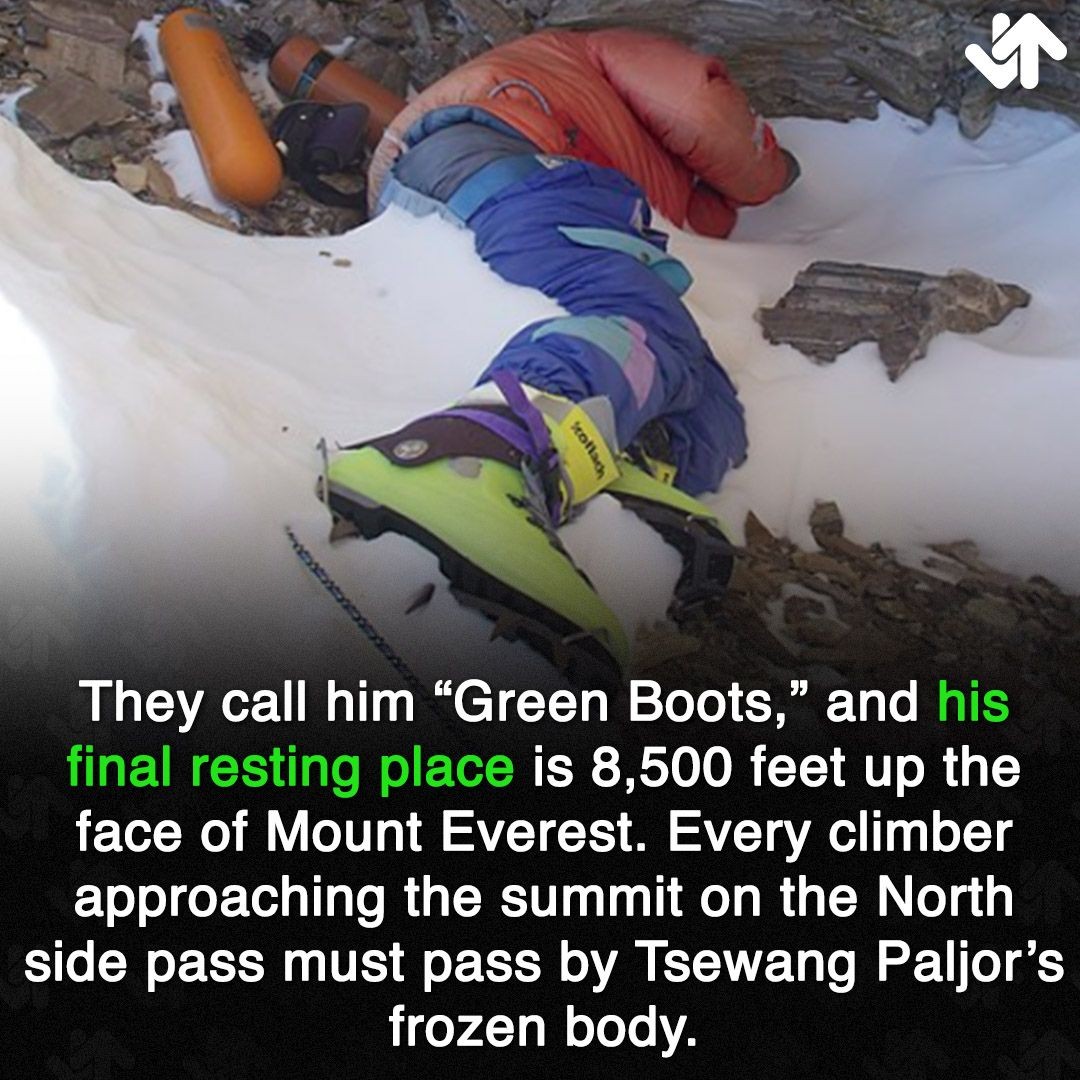
The Dead Zone on Mt. Everest, where temperatures can reach 40 degrees below zero!
Week of Sept 15
Learning Objectives for the week
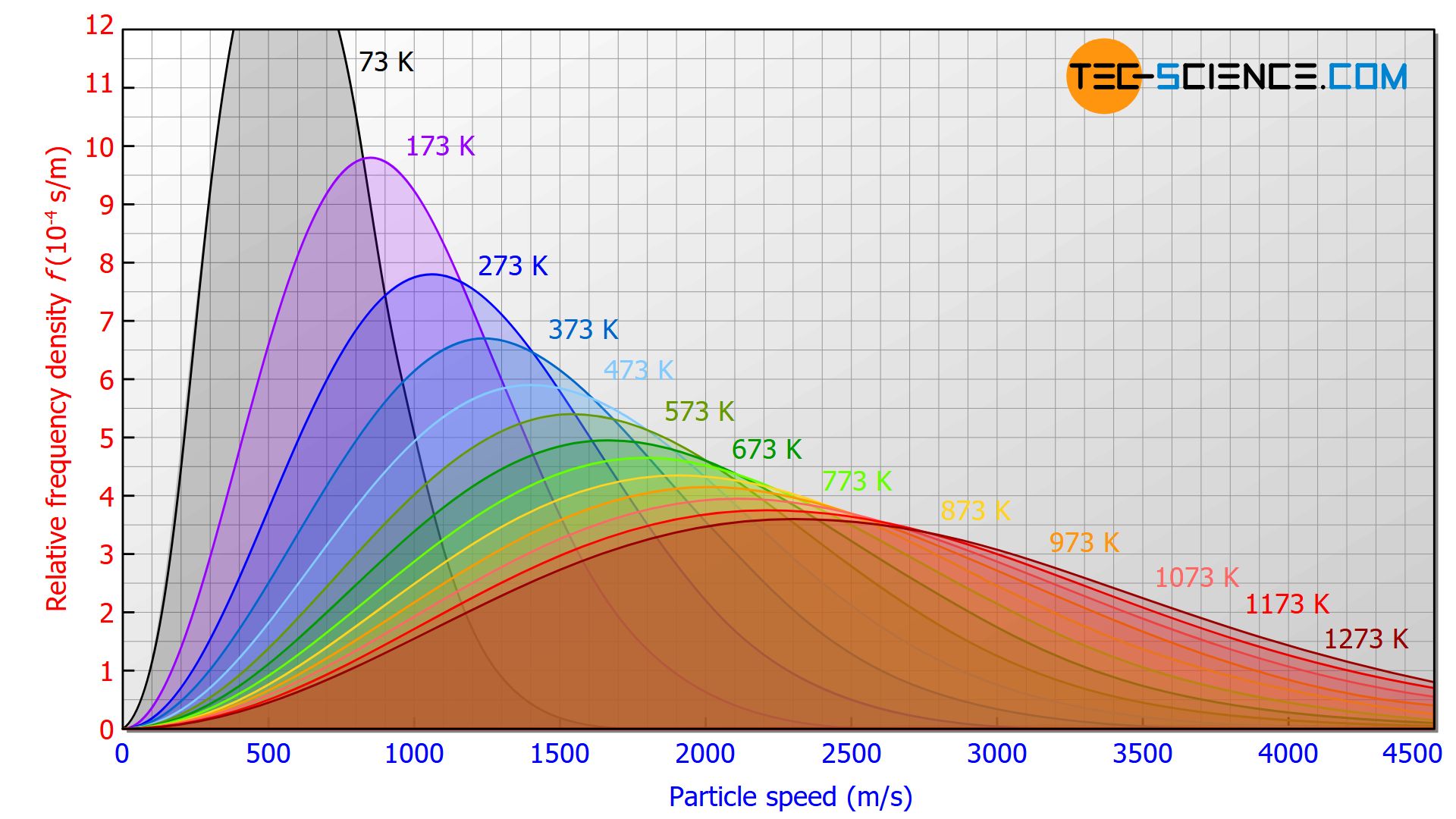
- Exploring what temperature is a measure of: Average Kinetic Energy
- How gas molecules behave at a given temperature (different masses result in different speeds)
- The concept of Absolute Zero
The week began by reflecting on the concept of kinetic energy of the tennis ball and the work it took to throw it We then considered a simulation of a gas which included a mix of heavy and light gasses. Of special interest was the obvious difference in speeds, which was centered on the definition of kinetic energy. As an extension, we introduced the concept of Absolute Zero.. and the idea that since kinetic energy is based on an objects speed, and there is no speed slower than zero.. that that energy level must be ‘the lowest’ temperature that can be achieved.
Week of Sept 22
Learning Objectives for the week
New Assignments this week.
ANNOUNCEMENTS!
Week of Sept 29
Learning Objectives for the week
- Review of last week’s test.
- From the film: Interstellar, the dust bowl, the ‘correcting of text books’ and reflections on current trends in American Schools. The variable output of the Sun.
New Assignments this week.
- Question sheet: 24.3 Reading Questions 2025
- on-line text book: The Sun
- Video: The Sun and fusion as a process
- Our star, The Sun
ANNOUNCEMENTS!
Clark began the week by going over the recent tests and had students compare the Review Guide passed out to the test itself.
We then began the film, Interstellar which introduces a number of interesting ideas including a dimming sun and how global crop failures were setting in, and how the film touches on various aspects of world history including the Dust Bowl and the process of ‘correcting text books’ to ‘correct history’ so that it was better aligned with the political ideology of the day.
The last part of the week introduces Light and stars through a series of on-line video’s and readings with students using a worksheet to follow along with.
Week of Oct 06
Learning Objectives for the week
- Elements vs compounds
- How the fusion of stars creates NEW elements
- The Solar Wind
- Comparison of planet size vs the Sun
- Examples of other stars and their sizes.
- Light as a ray, the law of reflection
New Assignments this week.
Additional resources
On Monday, Clark reviewed some of the ideas from last week’s in-class reading/worksheet activity, focusing on the formation of elements and how Stars create new elements through the process of fusion. (up through Fe, after which Super Nova’s create heavier elements)
On Tuesday, we considered the light formed by stars, and touched on the fact that light does not experience time. We then stepped into the reflection lab (students were given small mirrors and attempted to draw ‘lines of sight’ to the image.
Week of Oct 13
Learning Objectives for the week
- Light modeled as a Ray.
- How to use Ray diagrams to predict how and where images will form (limited to images formed by mirrors this week)
- The ‘law’ of reflection.
New Assignments this week.
- concave mirror ray diagrams (note: Students were instructed to take notes on the rules of reflection on the back side of this handout)
- student notes_law of reflection
ANNOUNCEMENTS!
On Monday, Clark took the class outside to observe the focal point of a large, spherical mirror. It was a bit overcast so we will redo on Thurdsday). Clark used the same mirror to set up an optical illusion showing how, in some circumstances, images can appear ‘in front of’ the mirror (instead of ‘behind the mirror’, which is what we are used to when we look in the bathroom mirror in the morning).
On Tuesday, we considered the rules of reflection as applied to a spherical mirror and then practiced these rules on a handout (students took notes on the back). Clark collected these at the end of the period on Tuesday to check for engagement).
Week of Oct 20
Learning Objectives for the week
- Ray diagrams to predict images produced by Concave mirrors when the object is INSIDE the focal length
- How magnification is the ratio of Hi/Ho and Di/Do..
- Percent error.. (using the Di/Do as the ‘good’ values to compare too).
New Assignments this week.
- Participation with the Sonoma County Water agencies presentation. Students handed in their workbooks.
ANNOUNCEMENTS!
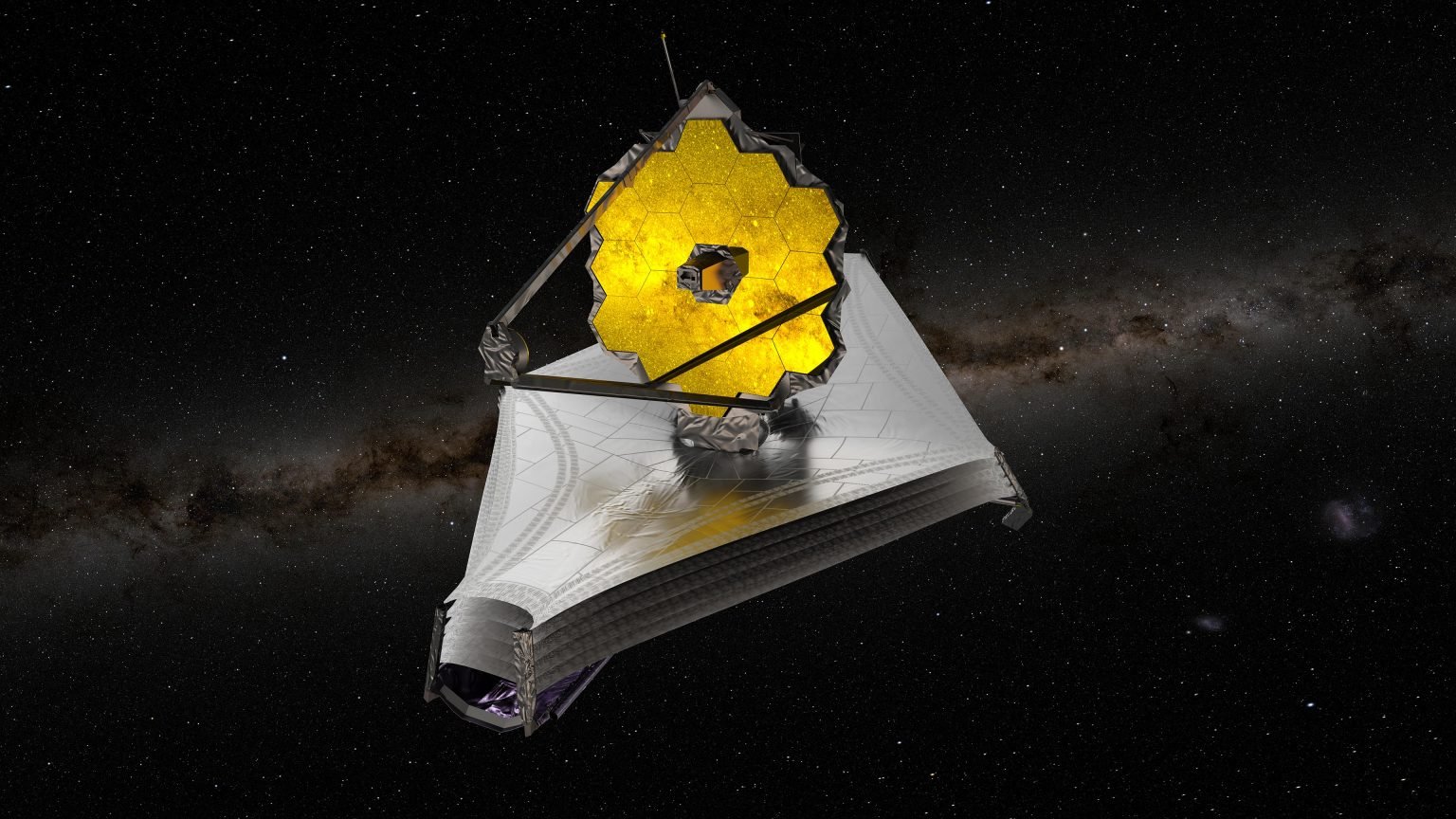
Tuesday we continued with the labs using concave mirrors.. focusing on the math around the image distances, object distances and focal lengths.. We spent time reconsidering how to use Ray diagrams to predict where an image would form if the object were placed inside the focal length of the mirror. Also discussed, was the difference between a spherical mirror and a parabolic mirror. Clark showed pictures of the Webb telescope/satellite, the Keck telescope and the Aricibo telescope to highlight the many hexagonal mirrors (which are adjusted based on laser feedback at Keck)..
Thursday was centered on a presentation by Sonoma Water district on draught and conservation. The presenters had students creating desktop models of high vs low water flow and how factors such as temperature, pH and turbidity were affected.
Week of Oct 27
Learning Objectives for the week
- Ray diagrams to predict images produced by Concave mirrors when the object is INSIDE the focal length
- Learning to use the Lens equation to predict where an image will form
- Ray diagrams for Convex mirrors
- How to use the parallax method to determine where a ‘virtual’ image is located.
- Magnification mirrors the radio of image and object distances
New Assignments this week.
- Careers with the local water agencies. (students were to identify three different positions within MMWD which they found interesting, briefly describe them and then to look up the corresponding salary).
- Video: The object that will change your view of Space
On Monday, we continued with our discussion of careers with the Water District from last week. We first viewed the Marin Municipal Water District webpage (Marinwater.org) because they have several interesting pages describing ALL of the positions within the agency (from accountants to engineers to mechanics to biologists).. and a second page which shows all of the salaries for those positions.
On Tuesday and Thurs. we considered the optics benches with mirrors and used the ‘lens equation’ to predict where the image would form as well as whether or not the image would be magnified.
Week of Nov 03
Learning Objectives for the week
- Refraction of light rays through substances
- The speed of light and Index of Refraction
- Measuring angles of incidence and angle of refraction
- Snell’s Law
The week began with a discussion of what the Sine of an angle is. Sin functions appear through science, math and physics including Snells Law, which is the topic of the week. On Monday, students explored the Optics Lab benches with lenses set on rotating platforms. The Light Source allows a variety of ‘slit’ experiments and colored source options. Students simply observed the ways that lenses refracted and reflected the source lights. On Tuesday, we went through a series of experiments in which students measured the angles of incidence and refraction, and reviewed the concept of measuring angles based on the Normal.
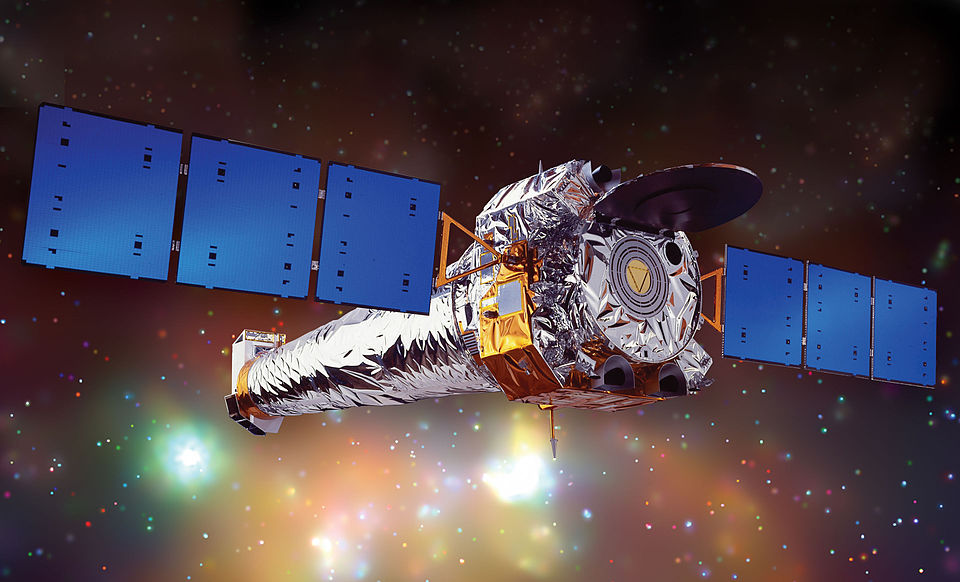
The Chandra X-ray observatory focuses X-rays using a series of ‘nested’ mirrors.
Week of Nov 10
Learning Objectives for the week
- Refraction of light rays through substances
- The speed of light and Index of Refraction
- Measuring angles of incidence and angle of refraction
- Snell’s Law
New Assignments this week.
- In class reading: Physics text: p485-491. Refraction (of light).
This week continued with the Optics lab, with students now turning the hemispherical lens around so light could come in from the back side. In this rotation of angles, students could see ‘total internal reflection’. We also spent time considering what the Sine function was (based on the ratio of lengths of two sides of a triangle). From there, we considered how to use Snell’s law, which determines the angle of refraction based on the Index of Refraction.
Additionally, we watched a short video which Clark called “The Real Interstellar”. because it describes the appearance of an ‘interstellar comet’. (How does a comet differ from a meteor?). This video highlights many interesting aspects of this comet, one of which is the path that it has been following, almost as if it were a planned mission from another species..
On Thursday, Clark was out. Students read from the in-class physics textbooks about Refraction (see assignment at left).
The Chandra X-ray observatory focuses X-rays using a series of ‘nested’ mirrors.
Week of Nov 17
Learning Objectives for the week
New Assignments this week.
- Notes: Light as a wave.(lecture)
This week, Clark introduced light as a wave. This is in contrast with our previous discussions in which light was treated as a ‘ray’ (useful when creating ray diagrams and studying how light refracts through materials using Snell’s Laws). First Clark laid out the basics of ‘waves’. including wavelength, amplitude, frequency and wave speed. From there, we discussed the electromagnetic spectrum and the different types of light that are included.
We continued with a segment from the video: Einstein’s Big Idea which focused on the life of Michael Faraday. This sequence highlights the discovery that Magnetic Fields are produced by electric currents, and was the first time that scientists realized there was a connection between electricity and magnetism. This led into the vector representation of electric and magnetic fields and an on-line simulation of an electromagnetic wave.
Week of Nov 24: Thanksgiving week off!
Week of December 01
Learning Objectives for the week
New Assignments this week.
Week of Dec 08
Learning Objectives for the week
New Assignments this week.