
Welcome to Biomimicry at CREDO
Note: This page is under construction as the former 4-week “Main Lesson” course is being converted to a semester long Elective course.
email Barton.Clark @Credohigh.org with questions or suggestions! Thank you!
Weeks 1-3: Student research and presentations.
Video and discussion: The Promise of Biomimicry
The class began with an overview of what the class is about. Engineering with design elements inspired by Nature’s solution to similar problems. As an introductory demonstration, Clark showed the students a recent video clip of a ‘robotic’ Puffin bird which can swim under water (using its wings! and Fly into the air).
From there we spent the next few class periods with students researching various examples of BIomimicry design (primarily short You-Tube video storys) and then taking turns giving presentations on their ‘most interesting’ examples.
New Assignments:
- Video: The promise of Biomimicry Students took notes on this video, identifying what, exactly, biomimicry is
Week 4: (Aug. 31) Introduction to Nature’s tricks for strength!
Understand how ‘stress’ on a beam is described by:
- Tension
- Compression
- Shear Loads
- Torque.
New Assignments this week:
- Build a paper I-Beam and Rectangular Beam.
- Feel the Torque: Using meter sticks, binder clips and shoes, students determine the Torque of the system for a variety of angles of the ‘lever arm”. Due Friday, Sept 04.
Notes to Clark:
- Use balsa wood instead of paper.
- Have a ‘stress test’ be part of the process (for points!)
- student has to ‘call it’ before the beam breaks (so we can still use it for the ‘building’)
- Use the ‘class set’ to build a building.
Week 5: (Sept 07) Finding Strength in Nature!
Learning Objectives this week: https://sdgs.un.org/goals/goal13
- Learning to recognize Branching and Leaf systems which place stress on the plant or tree
- Learning to recognize “beams” and other strengthening structures in the plants and trees around us
Additional Resources
- I-Naturalist
- How to start a Nature Journal
- United Nations page describing global challenges.
New Assignments this week:
- Download and Install I-Naturalist on their Cell-phones
- Students went out in to the gardens and sought out examples of plants and trees which had ‘grown’ structural stiffeners.
- They then took photos to load into I-Naturalist in order to identify them and then sketched out the shape of the plant or leaf or branching pattern in the style of a Nature Journal (the preferred way to document weekly, big ideas). Due Next Tuesday
On Thursday, we discussed the classic challenge for Engineers, namely that many times, people start with a Solution they want to build without having a clear idea of the problem. (Clark gave the example of bridges that freeze over in Connecticut).. Having a clear sense of WHAT the problem actually is, takes time. Also, Clark reflected on the various ‘solutions’ we’ve seen so far, and how it seemed like the developers easily came up with the ideas. (not true!). From here we reflected on the idea that, though it IS the goal of this class to come up with ‘engineering’ solutions to interesting problems, the problems don’t neccisarly have to be World Changing ones. (having fun with this project is the main idea). With this in mind, Clark passed out the article: Rheology-of-cats
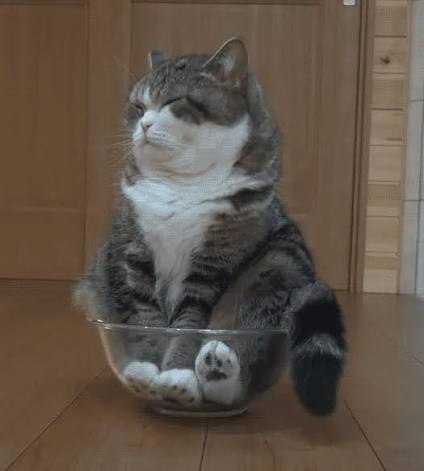
Cats conform to the container they are placed in. Therefor, Cats can be considered Liquids.. since Liquids be definition, conform to their container. This article proves that cats are liquids: Rheology-of-cats.
Week 6: Sept 14 Where do we start?
Learning Objectives:
The following is a list of topics from the book, Biomimicry. This text outlines broad areas for where we might generate better solutions than the ones we currently have. (the student should have some sense of how we currently handle each of these topic areas).
- Biomimicry_ the book_How will we feed ourselves
- How will we harness energy?
- How will we make things?
- How will we heal ourselves?
- How will we store what we learn?
- How will we conduct business?
Additional Areas of focus include:
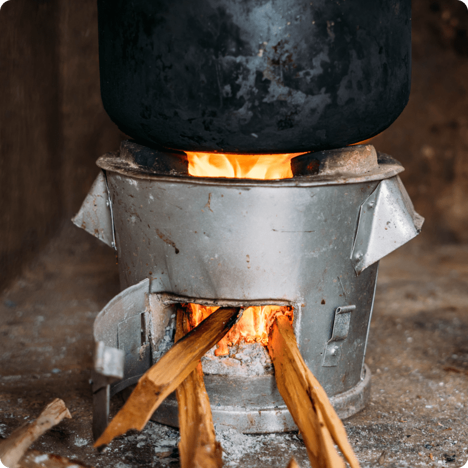
- How we generate heat for our homes and businesses.
- How we reduce plastic waste into our oceans and ecosystems
- How we deliver products to communities (such as medications to people living in remote areas).
- How to reduce storm-water runoff into our coastal ecosystems
- etc..
New Assignments:
- Review the official website to see the Challenge Details. Students should review the examples of past winners AND review the Submission Guidelines). To hand in by Thursday of this week: At least three areas of interest (past problems that have been solved) and Potential ideas for a solution based on or inspired by Nature. (note: this doesn’t have to be your final project idea, just evidence you’ve been considering ideas which you MIGHT pursue.
- A list of ‘builder skills’ you currently posses. (i.e., Welding, CNC use, 3-d printing, wood working, blacksmithing,
- A list of skills you would like to learn? (see above)
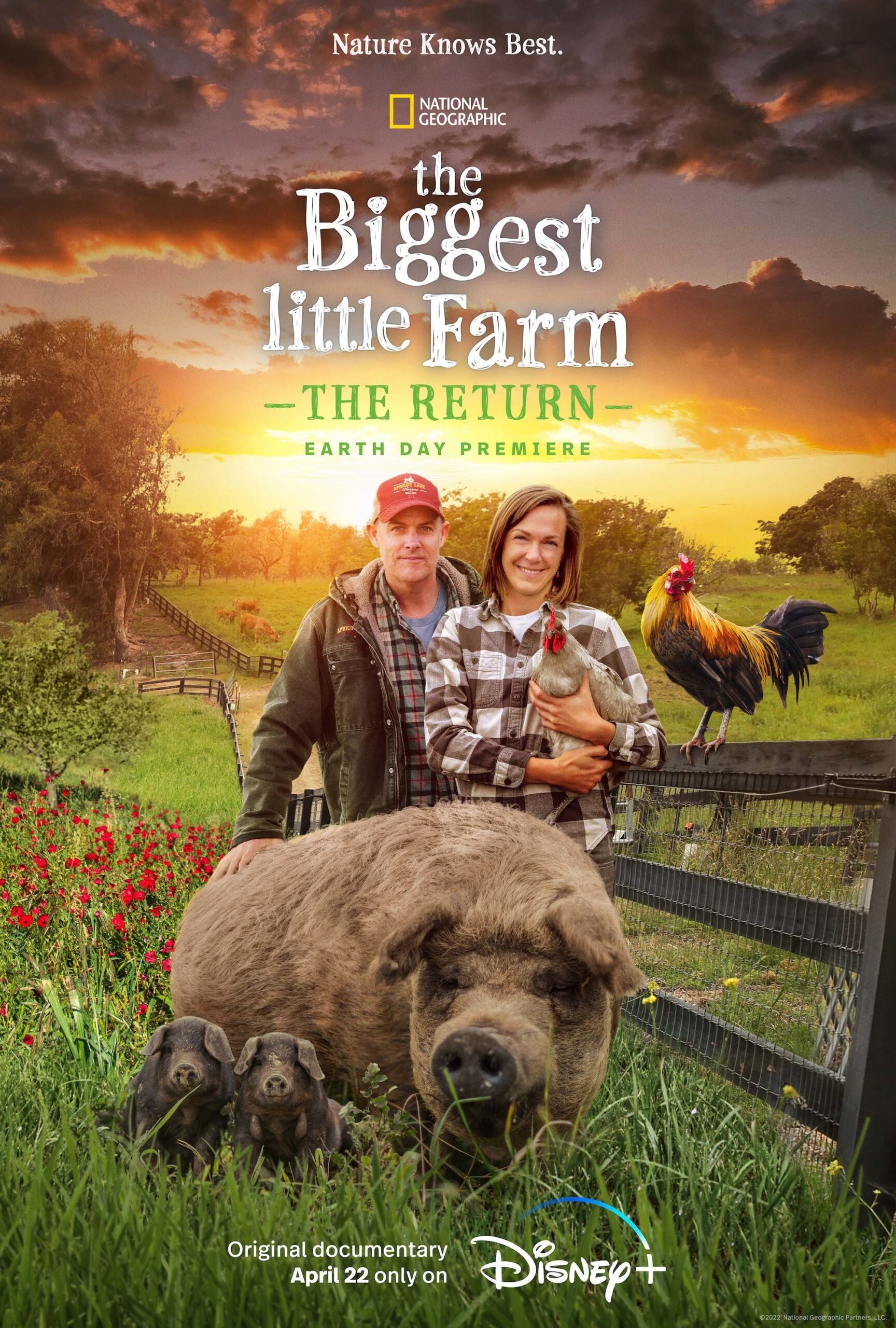
- Video (start): The Biggest Little Farm (first 30 minutes or so). Notes required.
Additional Resources of Interest
Thursday: We spent the first 30 minutes with students finishing the Summary of Topics and Skills assignment (see above). Clark then returned the student’s attention to How we produce Energy. Tidal Energy is an underutilized source of energy and this Underwater Kite is a fantastic idea to tap into this.
Week 7: Sept 21. Global Warming is causing changes far beyond heat waves and fires.
Learning Objectives for this week:
- What/When was the Paleocene/Eocene Thermal Maximum and why is it relevant today?
- What happened to the worlds oceans during this time?
- How is ocean warming affecting ocean oxygen levels?
- How are populations of fish responding to the changing ocean conditions?
- What does this portend for the future of fish stocks in the worlds oceans?
New Assignments this week:
- Article: Breathless Oceans. Students are to take notes on this article (what the scientists are doing, what they are learning about the oceans, what the trends suggest the may happen in the future and how already, species are being affected. Notes due next Monday.
Tuesday: We began by discussing getting in to building, hopefully starting next week. Learning to Weld, use the 3-d printer, and programming Arduinos are all on the list. We then reviewed how Clark grades more complex projects (such as the recent Finding Strength in Nature project)..Grading Rubric The key point of the conversation was that in order to earn on A on these kinds of projects, the student needs to score a 5 in at least one category. From here we returned to the film: The Biggest Little Farm. (students added to the notes they began taking last week).
Thursday: Back to basics: From the Homepage: The Challenge Details tab, Scroll down to the Design Brief. (Clark passed out a copy of this to each student)
- We reviewed the Design Brief focusing for a minute on the sections describing the UN Sustainable Design Goals (SDGs) and what Types of Solutions are they looking for?
What is the Design Challenge Framework?
- Start with the main page: Welcome to the Biomimicry Youth Design Challenge
- Move to the Curriculum Tab: and notice the MIMIC framework graphic. Each letter represents a stage in the process.
- Scroll down to the Investigate section. and Download the Investigate Document.
- Scroll to page II to view the UN Sustainable Design Goals (SDGs)
- With your team, take time to review each of these goals and identify which goal is in closest alignment with the Areas of Interest you had considered last week.
- As an example: Clark selected the Clean Water tab.. then scrolled down to Publications.. to see different ways that Clean water issues have been addressed.
Week 8 (Sept 28). Identifying United Nations Design Goals to focus on.
- What is MicroFinance? How does it work? What requirements do they have?
- Design Brief step 1_whos on your team_which UN design goals are you looking at
- Due end of period Thursday of this week.
- Notes: Living on One Dollar
Week 9 (Oct 05) Exploring Global issues and continuing our research
Learning Objectives:
- How Government Policy shapes societal choices.