
Welcome to Physics in the 9th grade!
Thermodynamics! How heat runs the universe!
Click here to jump to current week.
Week 1: October 20: Welcome to Thermodynamics! Lets light some things on fire!
Day 1: Tuesday!
1. Read and Annotate the Article: In Hot Water. (due on Thursday)
2. Watch and take notes on the documentary: Einstein’s Big Idea. (just the first 20 minutes today, through Faraday walking away from the Academy of Sciences).
Learning Objectives for this week.
- How to light a match!, How to light a fire
- How to measure temperature in Celsius
- The Heat Equation and terms, the concepts of Heat, Energy and Temperature.
- The Paleocene/Eocene Thermal Maximum: What caused it, what the impact on Earth was and why it is relevant today.
- The history and usage of the joule vs the calorie vs the KiloCalorie (known as food calories)
- Energy defined (the ability to do work)
- Heat is one form of energy and is measured (in science and engineering) in joules..
Additional Resources:
Monday: Clark welcomed the new students, took ‘mug shots’ of each and gave a quick ‘who is Clark’ presentation..
New Assignments this week:
- Burning Chips lab (final poster project due next Wednesday)
- Quick and Messy notes #1 (Wednesday) Understanding Earth’s natural cycles of heating and cooling. Students were to take notes using the method Clark described which is a three part process. The first part (Catch What You Can = CWYC = Kwick Notes takes place during class, the second part, to annotate those same notes while things are still fresh in your memory.. which Clark refers to as “messy notes”) is what students will hand in. Ideally, the students would go to step III, which is to take out a fresh piece of paper and rewrite the entire package into a new, clean and well organized set of notes which ought to look like a text book (Clark calls these Pro-Notes).. This lecture spanned the history of Earth’s natural heating and cooling cycles which included the PETM. As an extension, students were to research an animal that was alive during the Eocene Epoch and included that in their notes as well. Due on Friday.
- Quick and Messy notes #2 (start on Friday: following Friday’s discussion, see below.. we will continue these notes through Kinetic Energy on Monday Due next Wednesday.
Tuesday: To begin the lesson, Clark spent some time talking about HOW TO TAKE NOTES in class. (the lecture was titled: Taking notes, a love story) This is a three part process starting with Catch What You Can (CWYC is the acronym, which is pronounced Quick Notes) and then part II; which is to take those in-class notes home and to Annotate them (fill in remaining ideas which you still remember, identifying or underlying big ideas, writing down questions about terms you didn’t quite understand, etc… Ideally, this annotation would be in a different color pen or pencil, to clearly differentiate between notes taken during class and annotations written down afterwards. This Second stage Clark refers to as “messy Notes” (because they are literally messy). The third step is to rewrite the entire page onto a new, clean sheet of paper which ought to look like a professional Text Book. These are called Pro-Notes! And this is what you would a) place in the front section of your Main Lesson Portfolio and b) use to review before upcoming tests. If you have done all of this, than you can now say YOU KNOW HOW TO STUDY!
To kick off our unit on Thermodynamics, we set up simple ‘furnaces’ (called Thermal Containment Systems) so that we could light Dorito’s on fire and then heat a small can of water. By measuring the amount of water in mL and recording the starting and ending temperatures, we can calculate how many joules the system captured. Along the way we learned that Graduated Cylinders are used to measure volume in mili-Liters and that water has a density of 1 gram per mL. We learned about ‘delta T’ as the change in temperature, and the value that matters in the heat equation. And for many students, we learned simply how to light a match. Please see the assignment above: heat lab 1_burning chips for details.
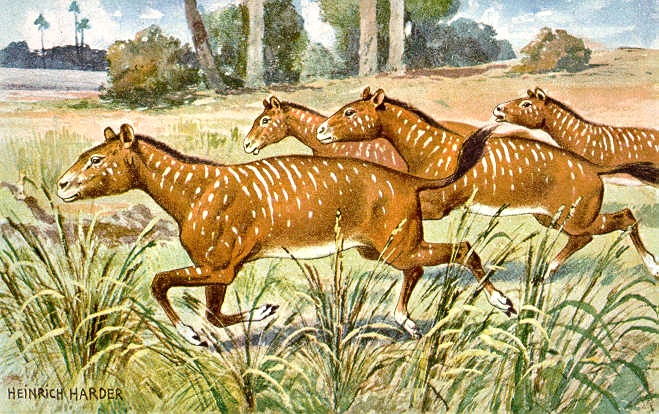
Wednesday: Today we first reviewed the discussion of how to take notes during class and then put these new-found skills to practice. Clark gave a lecture which described the series of record-breaking-temperatures the Earth has been experiencing including new terms for how we discuss data sets (terms like extrapolate and interpolate were introduced). Along the way we reviewed the Earth’s cycling of temperatures through the last 2 million years of Ice ages and how the Earth has historically, naturally heated up and cooled down. Of special interest was the discussion of the Paleocene-Eocene Thermal maximum (PETM) in which the oceans became largely deoxygenated and most of animal life on Land shrunk down to cope with the heat. As an extension, students then did a few minutes or research on Animals of the Eocene, which they included in their notes.. (see the assignment above: Quick and Messy notes: Due on Friday)
Thursday: Today we spent some time reviewing the different units we use to quantify energy. Joules, calories, Calories and BTUs. Each of these has a history and industry which utilizes them. Scientists and engineers use joules, food industries use Kilocalories (also called Food Calories) and heating and A/C folks use BTUs. Also, we did add one more line-item to our recent lab handout for Burning Chips lab: to describe how Kinetic Energy relates to an object’s temperature (more on this in the coming days). See the copies of students notes above for details.
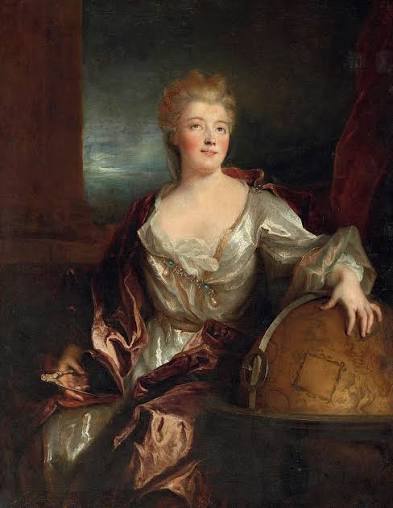
Friday: We first reviewed the idea that we use different units for measuring energy, depending on the circumstance. Also revisited, was the idea that the concept of Energy wasn’t well understood, even during the time of Isaac Newton. (Clark discussed how after Volta invented the battery, a French scientist place probes into frog legs which then ‘jumped’ which led to the idea that electricity might the Vis Viva, the ‘energy of life’). From here we stepped into the documentary Einstein’s Big Idea (starting at the 55’05 minute to the 1:07: 54 mark) focusing on the sequence in which Emilee du Chatelet challenges Newtons ideas about energy of motion. (the last 20 minutes was work time).
Week 2: Sept. 21 Kinetic Energy is the energy of motion!
Learning Objectives
- How does the Kelvin temperature scale differ from Celsius and Fahrenheit?
- What is the Boltzmann Energy Distribution graph an illustration of?
- How did Newton, Leibniz and Emilie Du Chatelet contribute to the development of the theory of energy?
- work defined (applying a force over a distance)
- That Temperature will increase if Heat is added and decrease if Heat is removed.
- Velocity = distance/time (m/sec)
- Kinetic Energy = 1/2 mV^2
- Work = Force x distance.
- Energy is conserved, but can change forms.
Monday: Clark first considered the different temperature scales in use today. Most people are familiar with the Fahrenheit scale and many are conscious of the Celsius scale. In science however, we frequently use the Kelvin Scale, which starts at Absolute Zero. From Clark showed students a simulation of gasses and how they behave as they heat up. The purpose of this demonstration, is to illustrate that, for a collection of particles (in a gas, solid or plasma!) each individual particle will have its own speed and kinetic energy, but its the collection of these energies that determine the Temperature of the system. This then, leads to the Boltzmann Energy Distribution graph.
Learning Objectives (continued)
- kinetic Energy is the ‘energy of motion’ (and the equation!)
- Velocity is measured as a ratio of distance over time
- That semi-circles can be used to approximate a parabola
- The concept of arclength and how to calculate using the Circumference formula
New Assignments:
- Messy Notes #2: These should span last Friday’s lecture on history of the concept of energy, different units of Energy and Monday’s lecture describing different temperature scales along with the idea of how Kinetic Energy is related to an object’s temperature. Messy Notes due Wednesday
- Hot Bolt into Cold Water DUE ON FRIDAY.
- In hot water_SCIENCE original Students were to Annotate this article: Since there is no room to write on the article itself, students were to Underline important concepts, Highlight key ideas etc.. but next to each item the ‘boxed’, highlighted or underlined, to place a number.. and on a separate piece of paper to write out what it was that was interesting for that section. (i.e., if a student highlighted a sentence or paragraph, perhaps labeled #3 on the article, the separate sheet would expand on why that paragraph was important. DUE NEXT MONDAY
- Kinetic Energy of Tennis Balls DUE NEXT TUESDAY
- Video notes (messy): Chasing Ice, specifically what is the Ice-core data set and what have we learned from it? (due Next Wednesday, after we’ve finished the film)
- Heat of fusion of ice lab (poster due Next Friday)
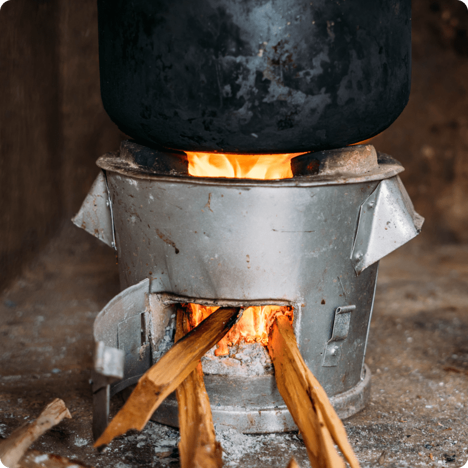
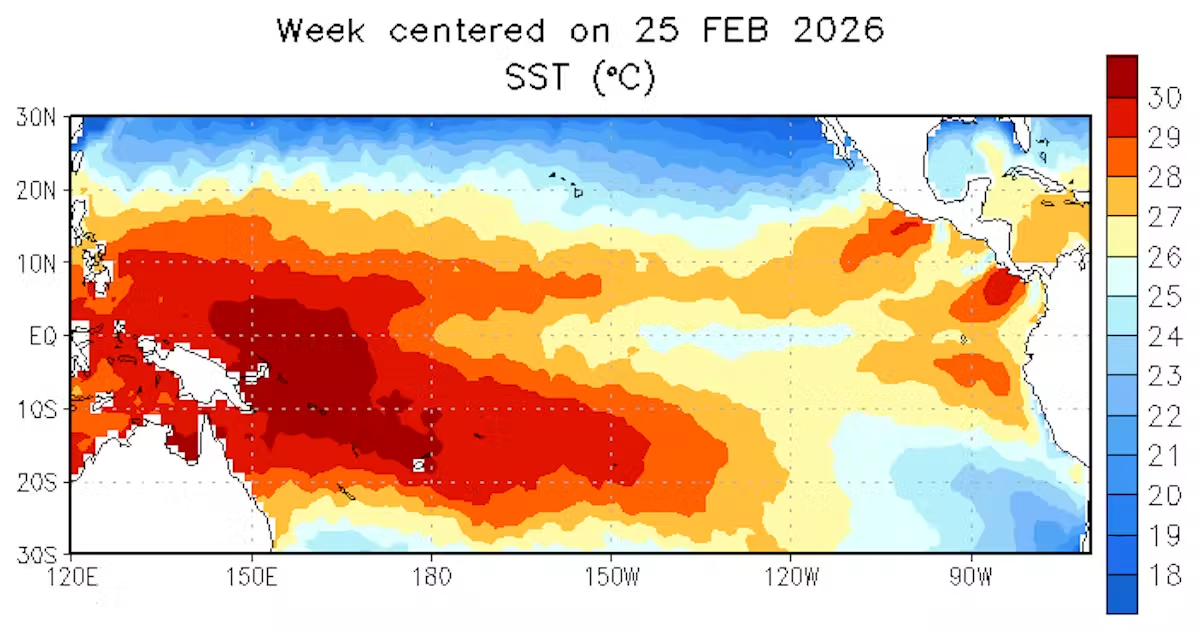
Tuesday: First on the list today, was an overview of the Cookstove challenge (see the image from week 1) which basically attempts to address the fact that several billion people around the world rely on dirt and inefficient stove because they are too poor to afford anything better. (click on the link to learn more) We then took a look at the current El Nino models and discussed what exactly El Nino is. We then got back to our discussion of heat transfer by considering the Zero’th and First Laws of Thermodynamics. In short, the First Law states that, for a closed system, energy can neither be created nor destroyed, but it can change forms and move around. To demonstrate this, students did the Hot Bolt into Cold Water lab. As its title implies, hot chunks of metal are dropped into cold cups of water. As the hot metal cools down, the cold water warms up
Wednesday We continued our discussion of Specific Heat Capacity today, and how water requires SO much more energy to change temperature than other materials. The reverse is also true..that when water dumps heat, it dumps enormous amounts of heat into the atmosphere. As part of this discussion, students were given the article In hot water_SCIENCE original which describes the formation of a Marine Heat wave back in 2015 which wiped out entire ecosystems along the Western Coast of North America (which still have not recovered). Also discussed is the hurricane forming off of Mexico right now and how hurricanes are an example of the ocean dumping heat into the atmosphere. Students were then given the rest of class time to work on their poster project from last week.
Thursday: We stepped into the topic of Kinetic Energy and how we calculate it. This calculation though also required that we take a moment to discuss Velocity (distance/time) and how we can measure it directly. In this lab Kinetic Energy of Tennis Balls since students would be throwing tennis balls into the air, we first discussed Conic Sections and considered Parabolas.. which are the natural trajectory that thrown objects follow. In our case, since the Arc-length for a parabola requires calculus, we approximated the arc-length as semi circles.. (we can then use the equation for circumference to solve for the semi-circle. And from here, is just a matter of using the equation for Kinetic Energy to determine how much energy the flying ball must have had.
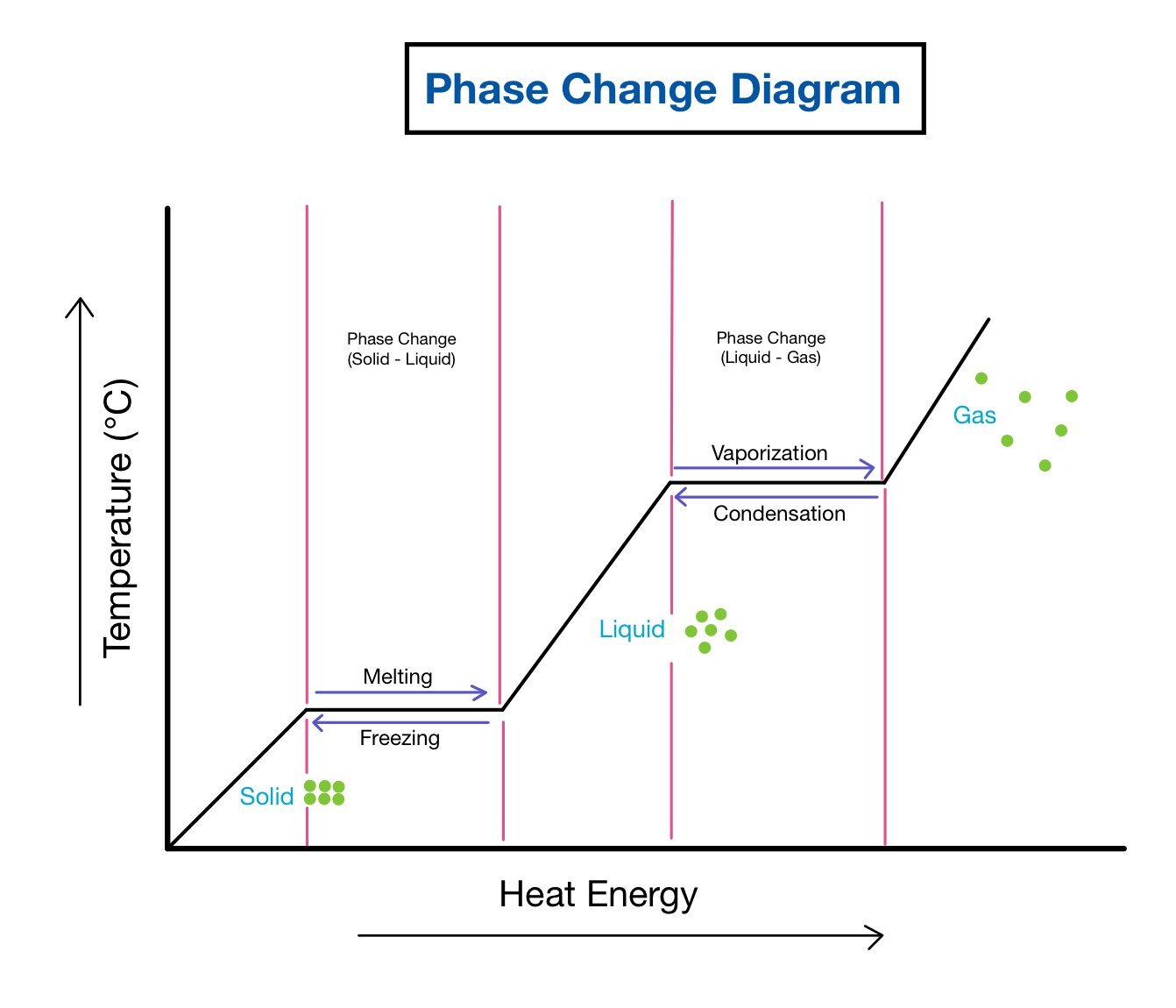
Friday: We began the day with the film Chasing Ice. (We watched the first 30 minutes today) This sequence leads us to the discussion of the Ice Core data from the Ice sheets in Greenland. From here, we stepped into our Lab for the day, determining the Heat of fusion of ice lab (the energy required to melt ice or the energy which is removed for water to freeze INTO ice. First up, is a phase change diagram (such as the one at right).
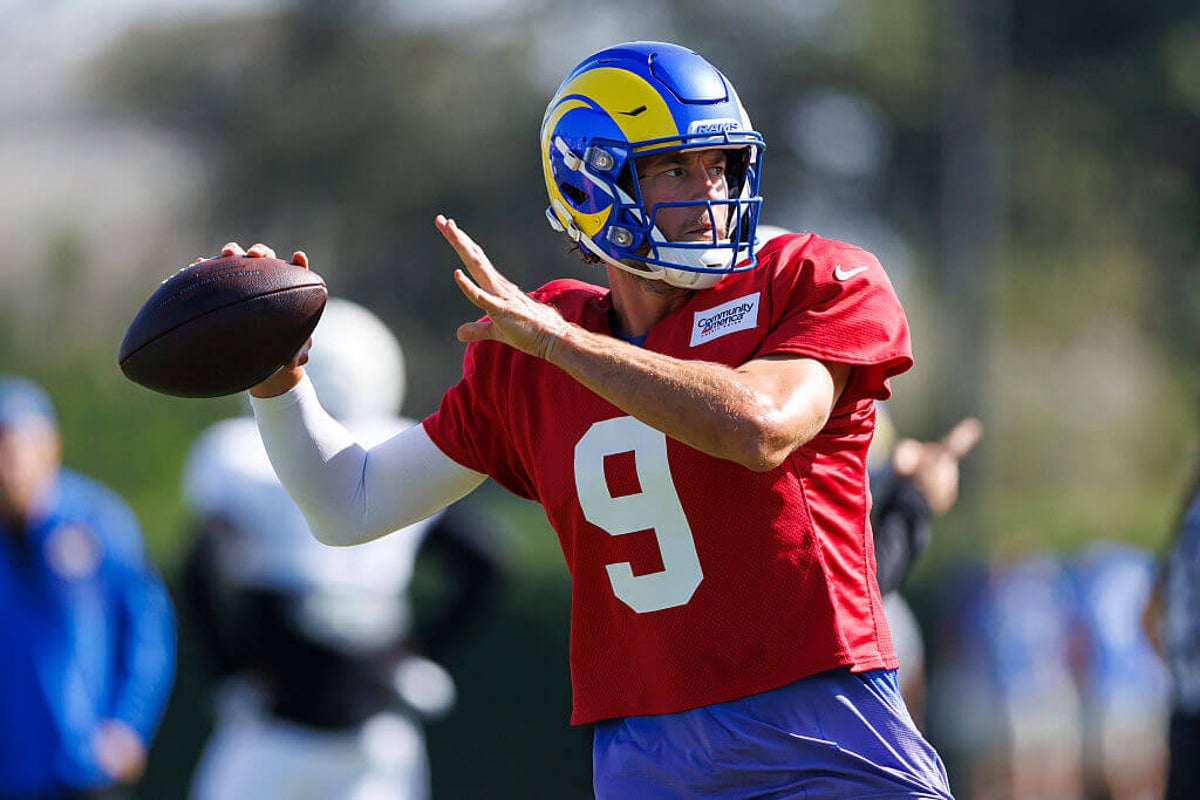
Throwing a ball requires WORK to get it moving and results in KINETIC ENERGY
Week 3 (Sept 28) Heat of Fusion and phase changes
Learning Objectives:
Continuing to refine our understanding of:
- Heat of Fusion and Heat of Vaporization (for water)
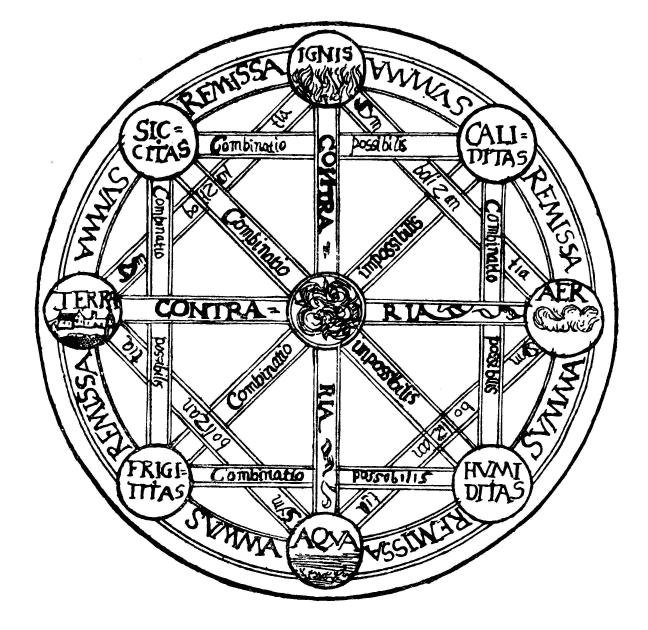
- Changes of phase and states of matter (ancient and modern views)
New Learning Objectives include:
- Thermal Conductivity
- Atmospheric Transparency
- The Greenhouse Effect.
Monday: Class began with a discussion of how the ‘ancients’ viewed matter. They had no idea about atomic structure, but did imagine that everything is made of very tiny particles called Atoms.. In their view however, the particles consisted of Air, Fire, Water and Earth and the quantities of each determined what the object would become. Students were directed to read more about these ideas from the Links at right in order to include these history views in their Heat of fusion of ice lab and poster project. From here, we stepped back into the next 30 min. sequence of Chasing Ice which details how global, heat related disasters on the rise and gives a closeup look at the melting of the Greenland Ice cap (the Moulins are rivers of melt-water which then pour down mile deep holes in the ice, accelerating the glacial disintegration into the surrounding oceans)
New Assignments this week:
- (Continued from last week) Heat of fusion of ice lab and poster project
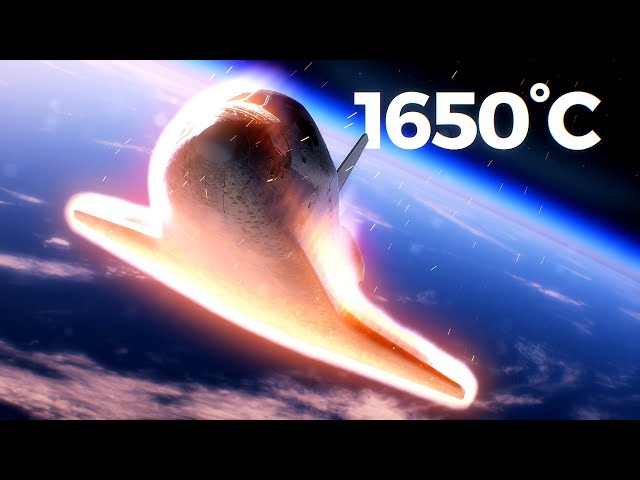
- Messy Notes: The 4 minutes that will decide if Astronauts survive. This video describes how managing the extreme heat through Ablation works
- Buoyancy of a Candle lab
Additional Resources
- How we make Space Shuttle Tiles (you can hold them when they are hot!)
- The Race to the Sun’s surface. This short video describes a mission to send a satellite into the Suns Atmosphere.
- Get Microsoft Office for Free!
Tuesday: We first revisited the Phase Change Diagram (generic) and thought again about the energy required for phase changes (and how much MORE energy is required!). We then reconsidered our recent Hot Bolt into Cold Water lab, and how, even though it only took seconds to remove the hot metal from the water bath, in those few seconds the hot water that was evaporating was pulling 2,260 joules per gram from the system! (clearly NOT a closed system during this transfer). From here we took a look at this interesting video showing how the Space Shuttle Tiles are made and how they work. The Thermal Conductivity is so low that they both protect the space shuttle as it reenters Earth’s atmosphere but can be held only moments after being removed from a 2000F oven. We then returned our discussion to writing the paper required as part of the Tennis Ball kinetic Energy Lab. Clark reviewed how to start sections with meaningful section headings, making use of Heading in Microsoft Word as well as several other cool feature. Clark pointed out that students can download Microsoft Office for free onto their personal devices (not Chromebooks)..
Wednesday: We started class today by reviewing our discussion of the Insulating Tiles used by NASA on the Space Shuttle, and how they demonstrated an extremely LOW Thermal Conductivity (the ability to transmit heat through the material) which allowed the scientist to hold a blow torch to one side while feeling zero heat on his bare hand on thh back side. We then considered situations in which you might want something to have a ‘high’ Thermal Conductivity .. such as a frying pan to quickly transmit heat into your food or perhaps on Computer Chips to pull heat away quickly (we thought about how how our cell phones get when they are being used continuously). It turns out that DIamond has one of the highest values for Thermal Conductivity which is why some modern CPU’s are mounted to thin sheets of Diamond. From here we stepped into the video The 4 minutes that will decide if Astronauts survive. which describes the incredible dangers of atmospheric reentry when the capsule is coming in from a trip to the Moon at 30,000 miles per hour. This video explains in detail, how the bottom of the capsule is covered in Tiles that are designed to ABLATE (or to evaporate) as the craft is enveloped in Plasma for up to 4 minutes. Students were to take Messy Notes, due on Friday. The rest of the period was project time.
Thursday: Today we introduced the concept of Buoyancy and Buoyant forces. Clark described how hot air rises as its density changes. As an extension, we discussed how students have likely seen vultures ‘catching Thermal’s”.. More interesting however, is the Albatross, which can stay aloft for weeks at a time (and sleep while they are flying!). With this we watched some youtube clips of Lava Lamps and discussed how they work. This then led into our first Buoyancy Lab in which students predicted the ‘water line’ for cylindrical candles.
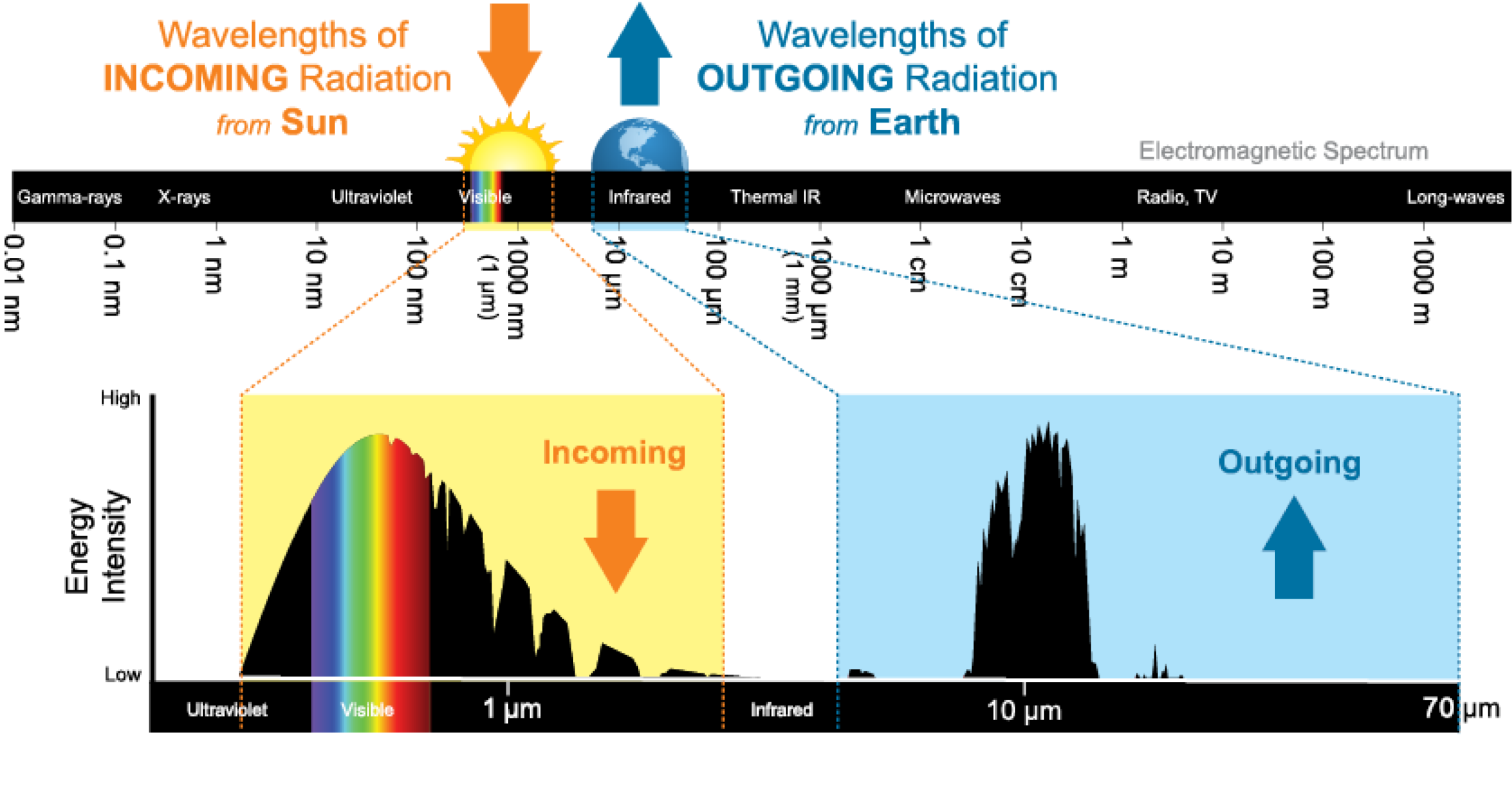
Friday: What does it mean to be transparent? Review of what students have already learned about the greenhouse effect.. graphic of atmospheric transparency and ‘incoming radiation vs outgoing radiation’. Review of exponential increase of CO2 (today and in times past)… emphasizing the historic nature of this particular increase. Closeup of last 40 years of CO2 and discussion of why we have ‘seasonal’ fluctuation. Also on Friday, a deeper discussion of how to take notes including ‘catching what you can’ and annotating your own notes.
Week 4 (October 5) Diving into Buoyancy!
Learning Objectives:
- How did sweating help early humans hunt?
- How do most other animals shed heat if they can’t sweat?
- What is pressure? What are standard units of pressure?
- How can we determine the force on an object given the pressure?
- How does an implosion differ from an explosion?
- Buoy vs Buoyancy vs Buoyant Force; what’s the difference?
- How to determine the Buoyant force on an object
- Phase Change diagrams.
- The First Law of Thermodynamics
- How to Calculate Percent Error.
Monday: Today was mostly a work day with students beginning to organize their Main Lesson Portfolios. New for the discussion was the structure of the portfolio including a Title Page, Table of Contents and a Reflection page.
New Assignments:
- buoyant force on steel This lab had students first determining the volume of a stack of steel washers and then, by considering the weight of that same stack, determining the density of steel. From here, we lowered the stack of washers into a cup of water (being careful not to allow the washers to touch the bottom of the container). Students then considered how the apparent weight of the cup of water changed. Interestingly, the weight did not increase by the added mass of washers, but by the mass of the volume of water displaced by the washers.
- Review guide for Thermodynamics end of Unit test_block2 Note: Students who prepare handwritten notes as evidence they have studied will receive extra credit points on the test for doing so. Please see the review guide for details.
Tuesday: We first considered buoyancy of objects which are submerged through this short video illustrating how submarines can control their depth. From here we did an interesting lab in which students first weighed a set of steel washers as well as calculating their volume. We then place small cups of water onto scales and compared the apparent weight of the system before and after the washers were submerged (without touching the bottom). This served as an interesting example of forces and the concept of the ‘net force’ acting on a system.
Wednesday: Life of Mammals:(Episode 10: food for thought). This episode fundamentally describes humans as an extension of other, higher primates but on interesting sequence describes Persistance Hunting, in which humans quiet literally, run down their prey. They can only do this because we are able to sweat which, due to the high Heat of Vaporization of water (2,260 joules/gram) allows us to stay cool even on hot days and even while running after wild game!
Thursday: Today’s topic is pressure. What is pressure? How can we make use of it? How does a hydraulic jack work? What is atmospheric pressure a measure of? Why does the water stay in the inverted Erlenmeyer Flask? Why can’t two people pull apart the Sphere of Thor? Clark also passed out the Review guide for Thermodynamics end of Unit test_block2
Week 5 (Oct 12) Heat Engines can do work!
New Assignments this week:
NOTE: THE WEBSITE IS CURRENT UP TO THIS LINE. ITEMS BELOW ARE FROM THE LAST MAIN LESSON BLOCK AND ARE SUBJECT TO CHANGE
Week 5: Sept. 07: Diving into Buoyancy!
Learning Objectives for the week:
- How and why to use significant figures and carry them through calculations.
- Volume of cylinder
- Density = mass/volume
- Percent error calculations
- Buoyant forces and predicting the ‘water line’ for a floating object
New Assignments this week:
Monday was Labor Day. Tuesday and Wednesday we focused on how to use Significant figures in measurement and calculations. To put this into practice, students measured the diameter and height of a candle (a decent ‘classical’ cylinder) and then using these values, calculated the volume of that candle. From here we then determined the density (of wax) of their candle and based on the ‘law of buoyant forces’ (that the Volume of water displace is dependent on the Mass of the object which is floating (or immersed). From here we predicted the ‘water line’ (often painted on the sides of ships) to predict at what height the candle would float in the water (or from the student’s perspective, how much of the candle would remain above water).
Thursday we did one last lab, Hot bolt into Cold Water.. In this lab, students began with a known sample of cold water. We then dropped a Hot piece of metal into the cup of water and based on the final temperature (of the system in Thermal equilibrium) students were able to determine the Specific Heat Capacity of the metal.
Friday is the final, End-of-Unit test and the last day for students to submit their Main Lesson Portfolio. Review guide for Thermodynamics end of Unit test
Note to Clark: next year bring in a Helium balloon and a ‘regular’ balloon filled to the same volume. Same balloon, same size, same number of particles. Introduce elements on periodic table. Weight of He vs weight of N2, O2, etc.. very different. Affects buoyancy.. How much does does the He weigh? Gram scales to weigh He up.. to way Air (compressed) down.